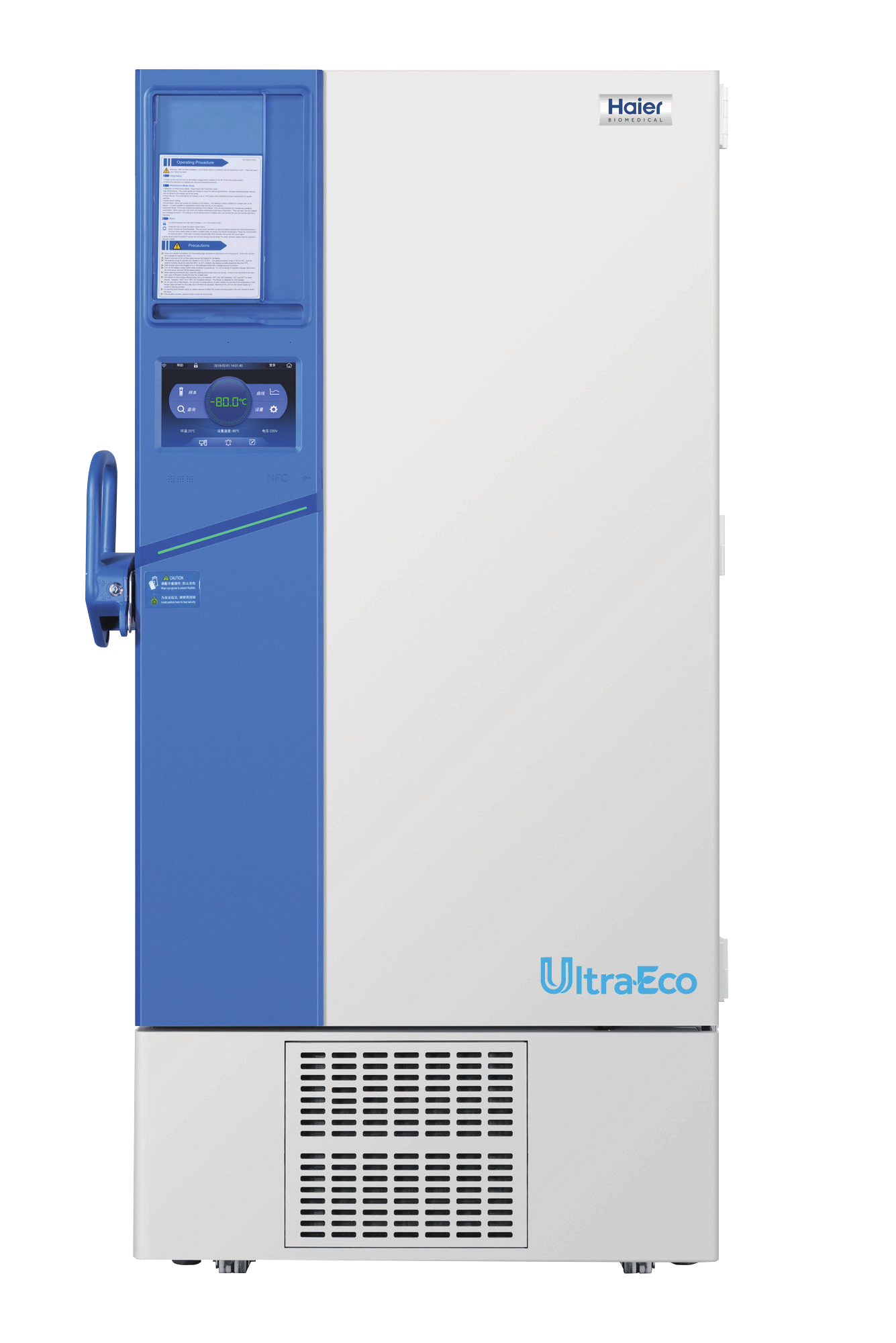
−86°C upright
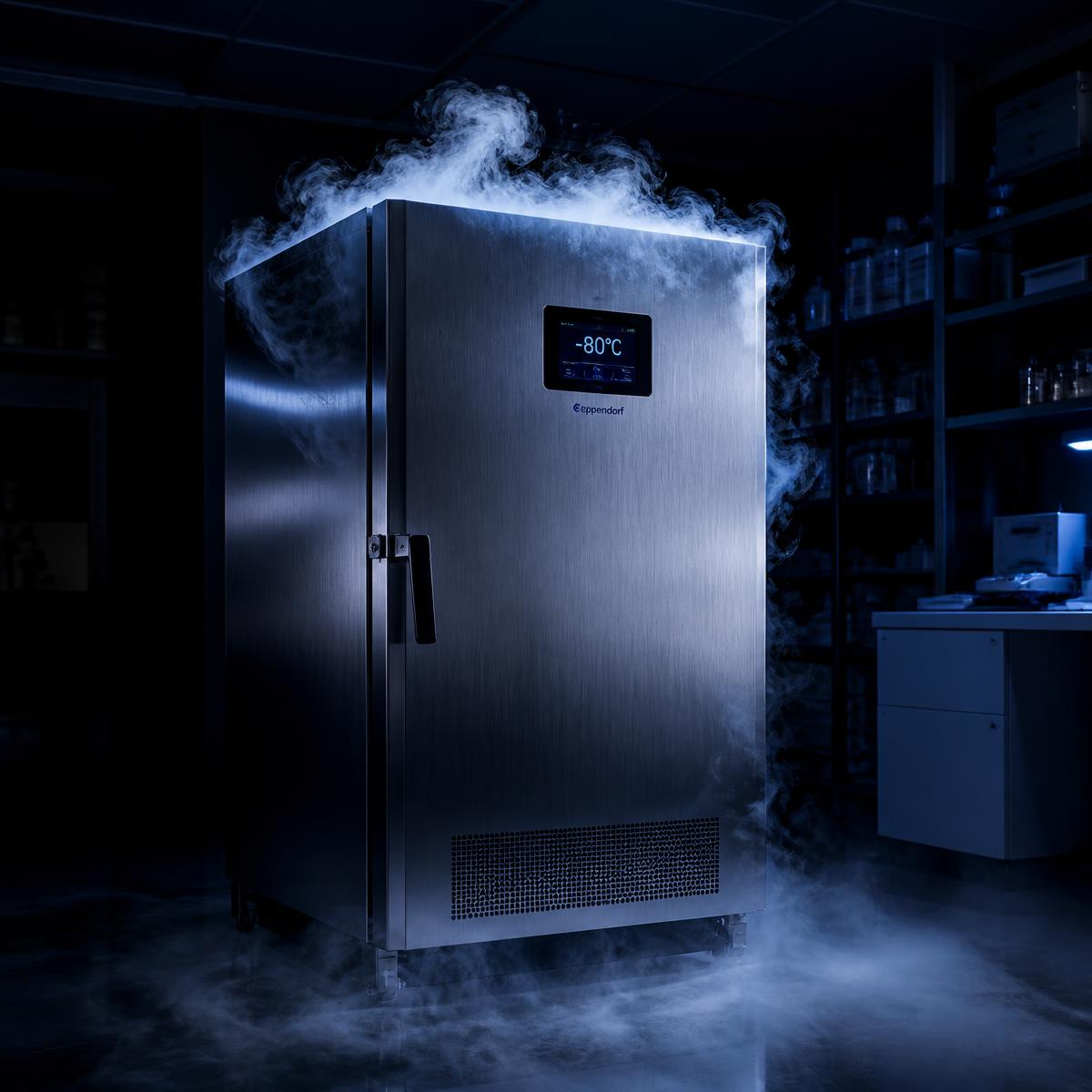
Haier UltraEco −86°C
Primary upright ULT for retained samples, qualification coupons, and space-life-science payloads. Energy-efficient flagship for long programs.
Prepregs, film adhesives, sealants, retained coupons, and flight payloads can degrade quietly above their specified storage temperature, often showing up only when the record is reviewed. Ultracold supplies, installs, and services cold-storage systems designed to maintain specified storage conditions, with documentation scoped to your program's quality requirements.
What You Get
−90°C to +8°C across ultra-low freezers, specialty low-temp units, lab freezers, and refrigeration, so a single vendor covers prepreg storage, sample archives, and everyday cold rooms.
Every unit ships with a documentation plan agreed in writing before delivery, so your quality team knows exactly what records will be produced and how.
Alarm and notification options for your team are reviewed when we size and install the unit, with the agreed scope confirmed in your quote.
Sale, installation, preventive maintenance, and repair handled by the same owner-operated team, so there is no finger-pointing between a distributor and a third-party service contractor mid-program.
SAM.gov registered, CAGE Code 21DA7, California DGS Certified Small Business, and CA CSLB #1157801, credentials that can support supplier onboarding for eligible buyers.
On-site ULT capacity opening October 2026 for overflow, buffer, and disaster recovery, so a failed unit or a facility move does not become a material-disposition decision. Reservations are open now.
Materials We Support
Temperatures below are typical ranges we see across programs. Your material data sheet and your customer's flow-down requirements always govern. Send us the spec and we will size to it.
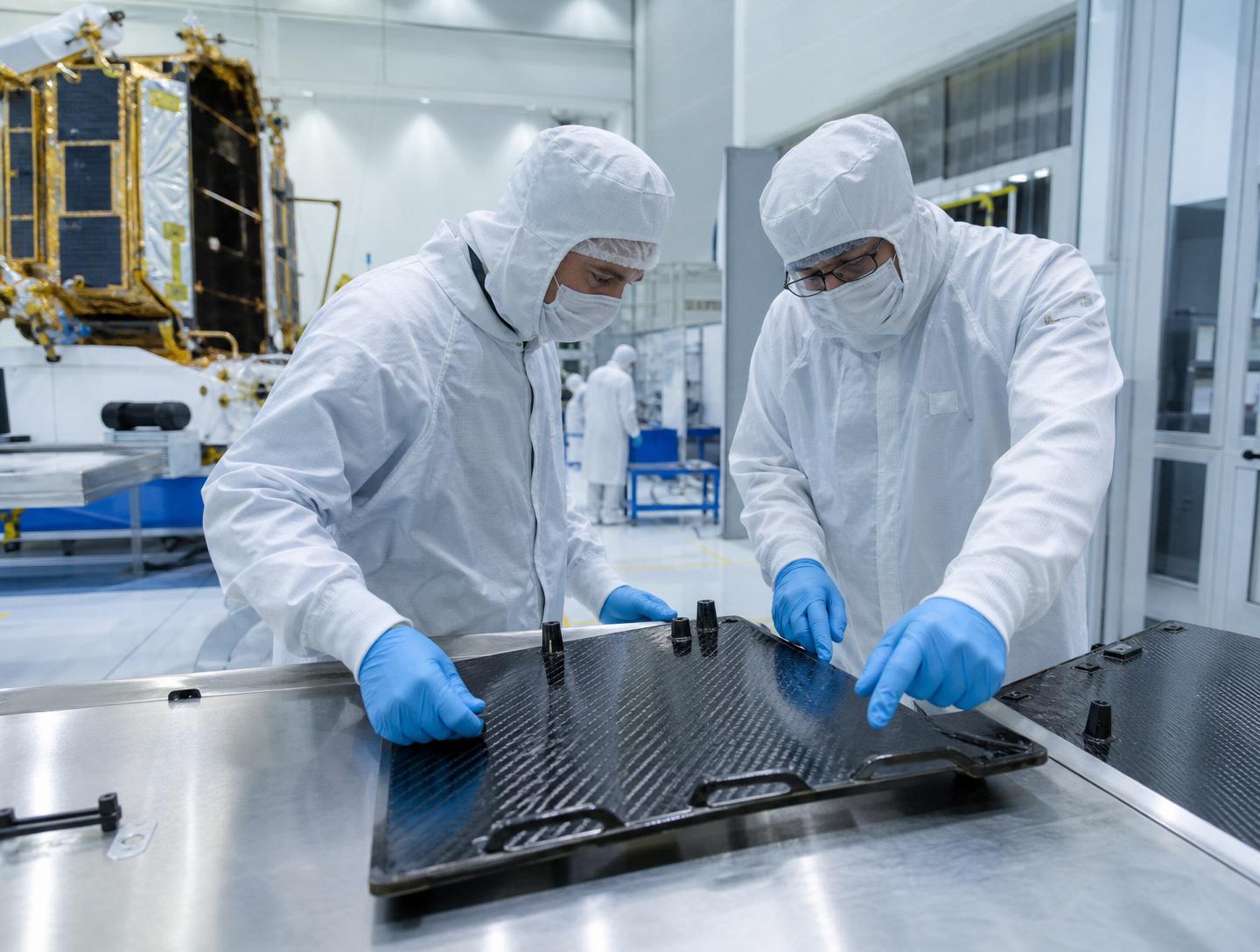
Carbon and glass prepreg rolls, film and paste adhesives, and structural bonding materials with defined storage temperature, shelf life, and cumulative out-time limits.
Two-part resin systems, corrosion-inhibiting primers, and fuel-tank sealants that advance or separate if held warm.
Temperature-sensitive components and non-hazardous materials supporting propulsion programs, stored under documented custody.
O-rings, gaskets, potting compounds, and staged assemblies where cold storage preserves cure state and dimensional stability.
Biological payloads, test articles, and research samples supporting flight experiments and human-spaceflight programs.
Witness coupons, retained lots, and qualification samples that must be preserved in a known condition for the life of the program.
How It Works
01
Share your material data sheets, temperature requirements, and quality workflow. We read the flow-down before we recommend a unit.
02
We match capacity, setpoint, and recovery speed to your program, then quote the equipment and documentation plan together.
03
Our team installs the unit and sets up the documentation process agreed for your program.
04
Ongoing service and support delivered as agreed for your program, with scope confirmed in writing when we quote.
Six Things to Settle Before You Buy
Most cold-storage problems on aerospace programs are specification and workflow problems, not hardware problems. Work through these before a purchase order goes out, with us or with anyone else.
01
Start from the material data sheet and the prime's flow-down, not the freezer catalog. Note the required storage temperature, the allowable excursion band, and whether the spec calls for continuous recording. A unit that holds −20°C nominal but drifts ±8°C on door openings will not satisfy a spec written to ±5°C.
02
Production floors open doors. Ask how quickly a unit returns to setpoint after a 30-second door event with a full load, and specify chest or ultra-slim configurations where pull-in matters. Recovery behavior, not brochure minimum temperature, is what shows up in your excursion log.
03
Decide up front who logs removals, where the log lives, and how cumulative out-time is reconciled against shelf life. The freezer is the easy part; the traceability workflow is what an auditor examines.
04
A sensor without an escalation path is a data logger. Define who is called, in what order, how fast, and what the documented response looks like, then confirm the vendor can produce that record for any window on request.
05
Cold storage fills faster than teams expect once retained samples and qualification coupons accumulate. Size for peak program volume plus a buffer, and identify overflow capacity before you need it.
06
Ask where the nearest technician is, what the parts stock looks like, and what the emergency response commitment is in writing. On a long program, service response matters more than the purchase price.
Compliance & Traceability
Aerospace and defense buyers get told a lot of things during a sales cycle. Our position is simple: we give your quality team documented procedures and complete records, we answer supplier questionnaires honestly, and we put in writing exactly what we can and cannot support for your program.
If your contract carries export-control obligations, tell us before anything is stored or serviced and we will review the requirements with you first.
Recommended Equipment
Primary upright ULT for retained samples, qualification coupons, and space-life-science payloads. Energy-efficient flagship for long programs.
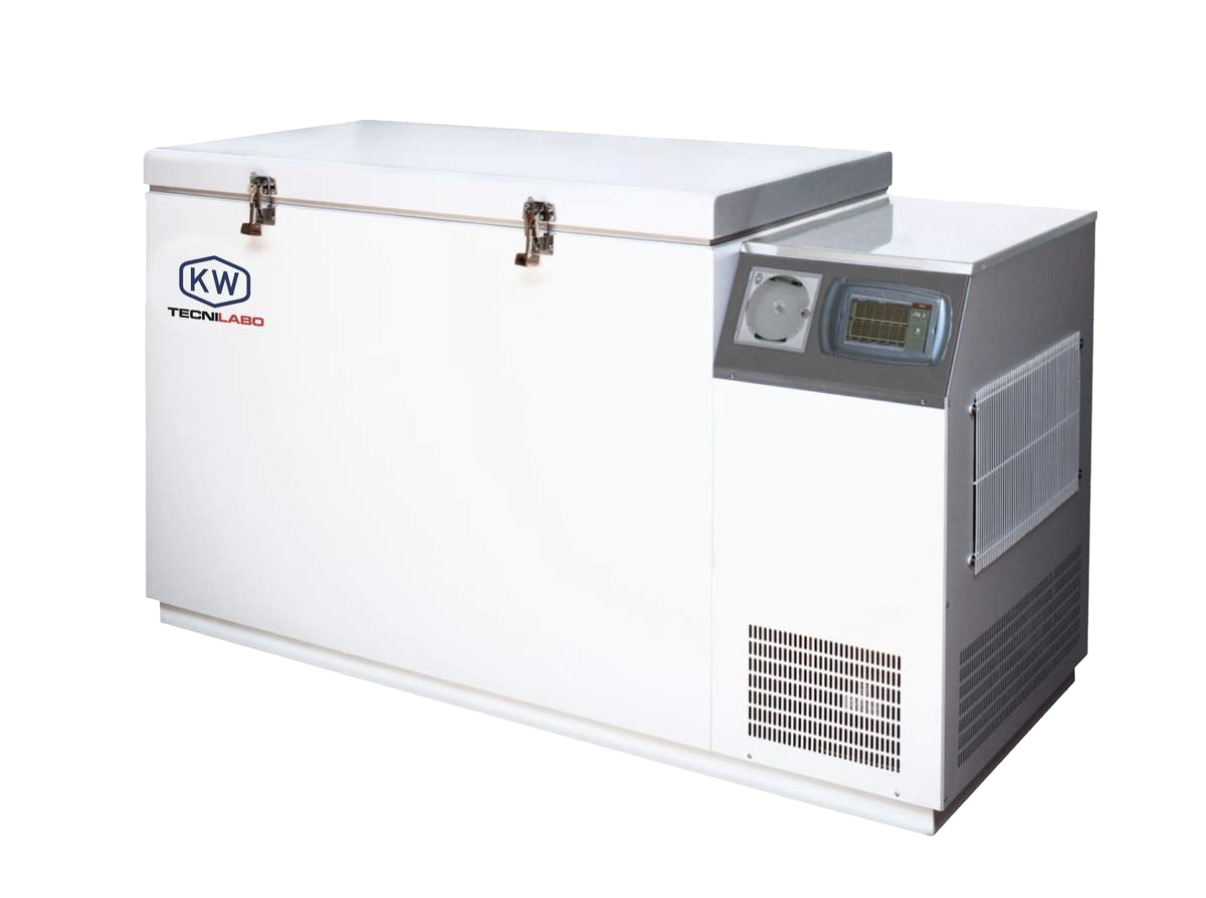
Bulk storage for prepreg rolls and large adhesive inventory. Chest geometry holds temperature during door events on a production floor.
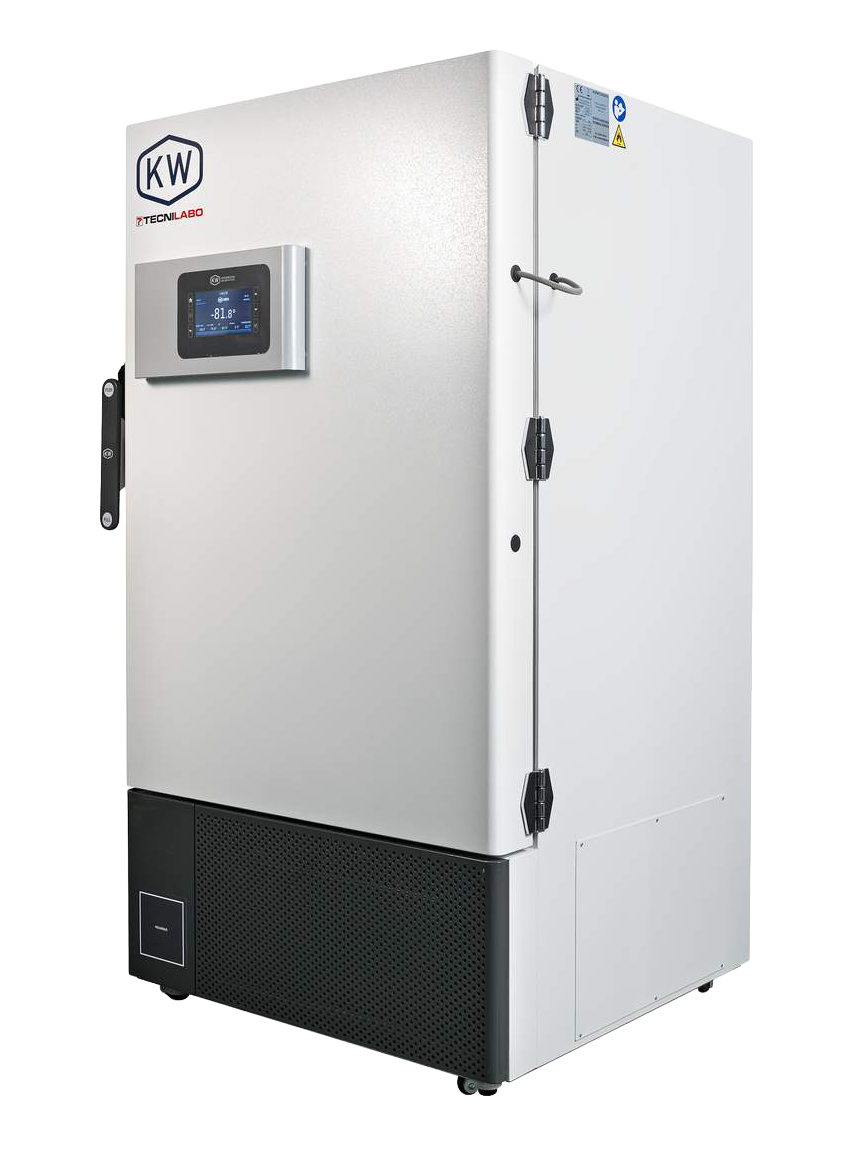
Full ULT capacity in a narrow footprint for constrained production floors, cleanroom anterooms, and shared lab bays.
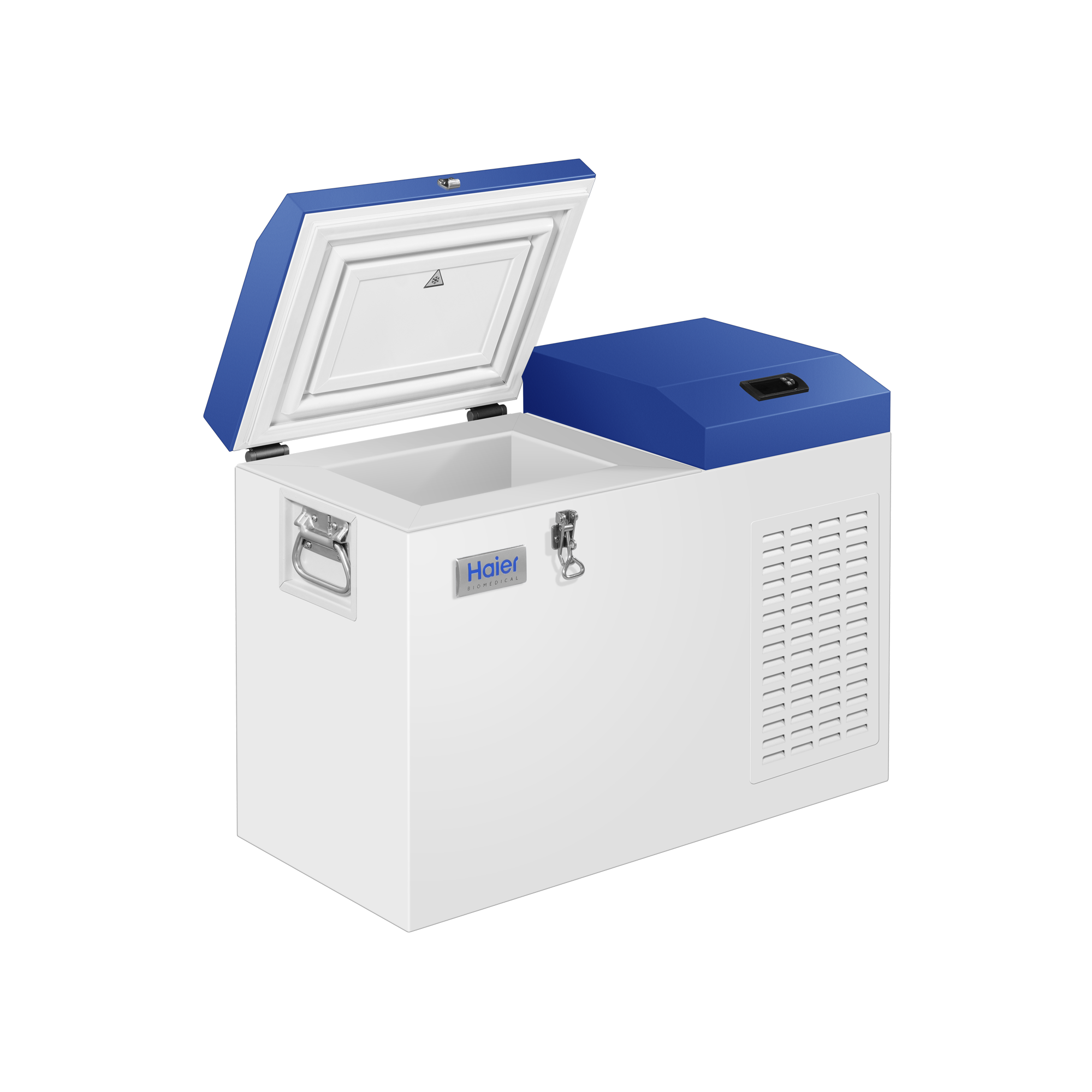
Benchtop or under-counter ULT for small retained-sample sets, coupon libraries, and point-of-use storage next to a layup or bond cell.
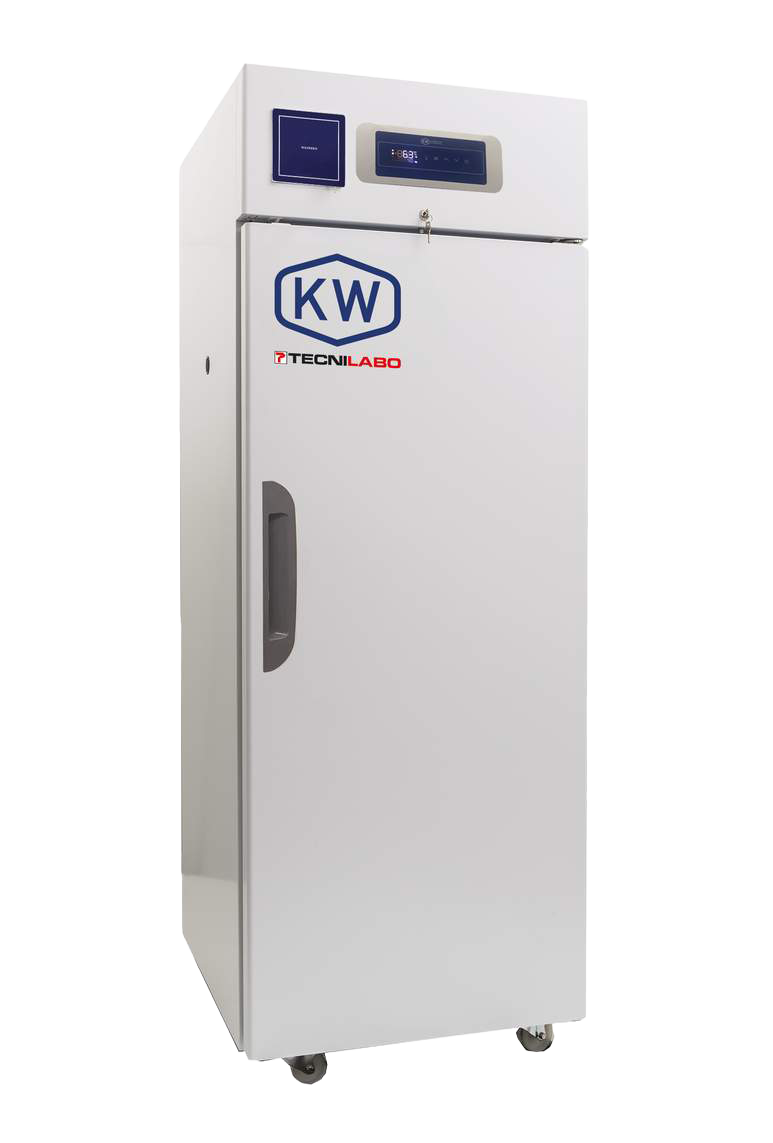
Units for resins, primers, sealants, elastomers, and staged components that do not require ultra-low temperature.
Our on-site cold-storage facility in Orange County opens October 2026, with expanded capacity in Spring 2027, built for overflow during program ramps, buffer space during facility moves, and disaster-recovery capacity when a unit goes down. Southern California teams can reserve capacity now.
Procurement Credentials
These credentials can support supplier onboarding and procurement requirements for eligible aerospace, defense, government, and prime-contractor buyers.

Southern California Service Area
We are based in Anaheim and dispatch technicians across Orange, Los Angeles, San Diego, Riverside, and San Bernardino counties. Ask us to confirm technician availability and response terms in writing for your site. Our warehouse keeps common parts and backup units within a short drive of most Southern California facilities.
For sites outside Southern California, we supply equipment and documentation, with remote support and installation options available depending on location.
FAQ
It depends on the material specification. Many epoxy prepregs, film adhesives, and paste adhesives are specified for storage at or below −18°C, while some resin systems, primers, and sealants are held at −40°C or colder to slow advancement of the resin. Ultra-low −80°C storage is used where the material data sheet calls for it or where a program wants maximum margin. Always store to the material spec and the customer's flow-down requirements. We build the storage around your document, not a generic setpoint.
Out-time, the cumulative time a material spends above its storage temperature, is usually the controlling limit for prepregs and adhesives. We support documented intake and release: each removal and return is logged with date, time, and the person handling it, so your quality team can reconcile cumulative out-time against remaining shelf life and produce the record on demand.
We build export-control awareness into our procedures, including access limits, documented custody, and US-person handling on our side. We are happy to review your specific export-control requirements before anything is stored or serviced. We do not represent ourselves as holding certifications we do not hold; tell us what your program requires and we will confirm in writing what we can and cannot support.
Yes, as a supplier. We provide documented operating procedures and agree the records scope for your program in writing, so your quality or supplier-development auditor gets the evidence they ask for. We can also complete supplier questionnaires and on-boarding packets as part of qualification.
Alarm and notification options for your team are discussed when we size the unit, with the agreed scope confirmed in your quote. Because we are locally owned and operated in Orange County, we can often respond quickly to program-critical issues at Southern California sites. Ask us to confirm technician availability and response terms in writing for your site.
We are registered in SAM.gov with CAGE Code 21DA7, hold California DGS Small Business certification, and carry CA CSLB license #1157801, which can support small-business set-aside goals on eligible federal, state, and university purchases. We can quote to your purchasing terms and provide the documentation your procurement team needs.
Yes. Our on-site cold-storage facility in Orange County opens October 2026, with expanded capacity in Spring 2027, for teams that need overflow, buffer, or disaster-recovery capacity rather than another capital purchase. Reservations are open now.
Request a Quote
The more detail you can share up front, the faster we can size an appropriate solution. Include whatever applies to your program:
Don't have all of this information yet? That's okay. Send what you have and we'll help identify the information needed to size the solution.
Tell us what you're storing, the required temperature, approximate volume, and any quality or customer requirements that apply. Send your material data sheet or specification if you have one. We'll review the requirements and come back with an appropriate configuration, documentation plan, and quote.