Laboratory worker reviewing a sample beside cold-storage equipment

Biorepository Storage in Southern California

A biorepository needs more than freezer space. Sample requirements, retrieval patterns, temperature records, and alarm response all shape the storage plan. Ultracold supplies, installs, monitors, and services cold-storage equipment from its Anaheim base, with future off-site capacity available for reservation at our planned Orange County facility.

−150°C to +8°C
Equipment coverage
24/7
Monitoring options
Anaheim
Warehouse & service base
October 2026
Planned facility opening

What You Get

Biorepository support built around your sample archive.

Equipment for different temperature tiers

Review cryogenic-range freezers, ULT units, laboratory freezers, and refrigeration against the conditions your materials require. Equipment coverage is not a promise that every range will be available off-site.

Documentation agreed before installation

Define the temperature history, alarm records, and installation documentation your team needs. We confirm the scope with you instead of assuming every archive has the same requirements.

Monitoring with an alarm path

Discuss continuous logging and alerts to named contacts. Monitoring decisions include who receives an alarm and how escalation should work for the selected equipment.

Installation and ongoing service

Work with one owner-operated team for equipment supply, installation, preventive maintenance, and repair. Site-specific support terms are confirmed with your requirements.

Supplier onboarding support

Our documented business registrations and contractor license support purchasing conversations. Share your supplier requirements so we can review the appropriate records.

Future archive overflow planning

Reserve a discussion about additional capacity for a sample archive, laboratory move, or contingency plan. The monitored Orange County facility is scheduled to open in October 2026.

Sample Storage Requirements

One biorepository, several storage decisions.

A working stock and a long-term archive may need different temperatures and access patterns. The ranges below describe equipment options, not universal sample-storage instructions. Your material requirements determine the fit.

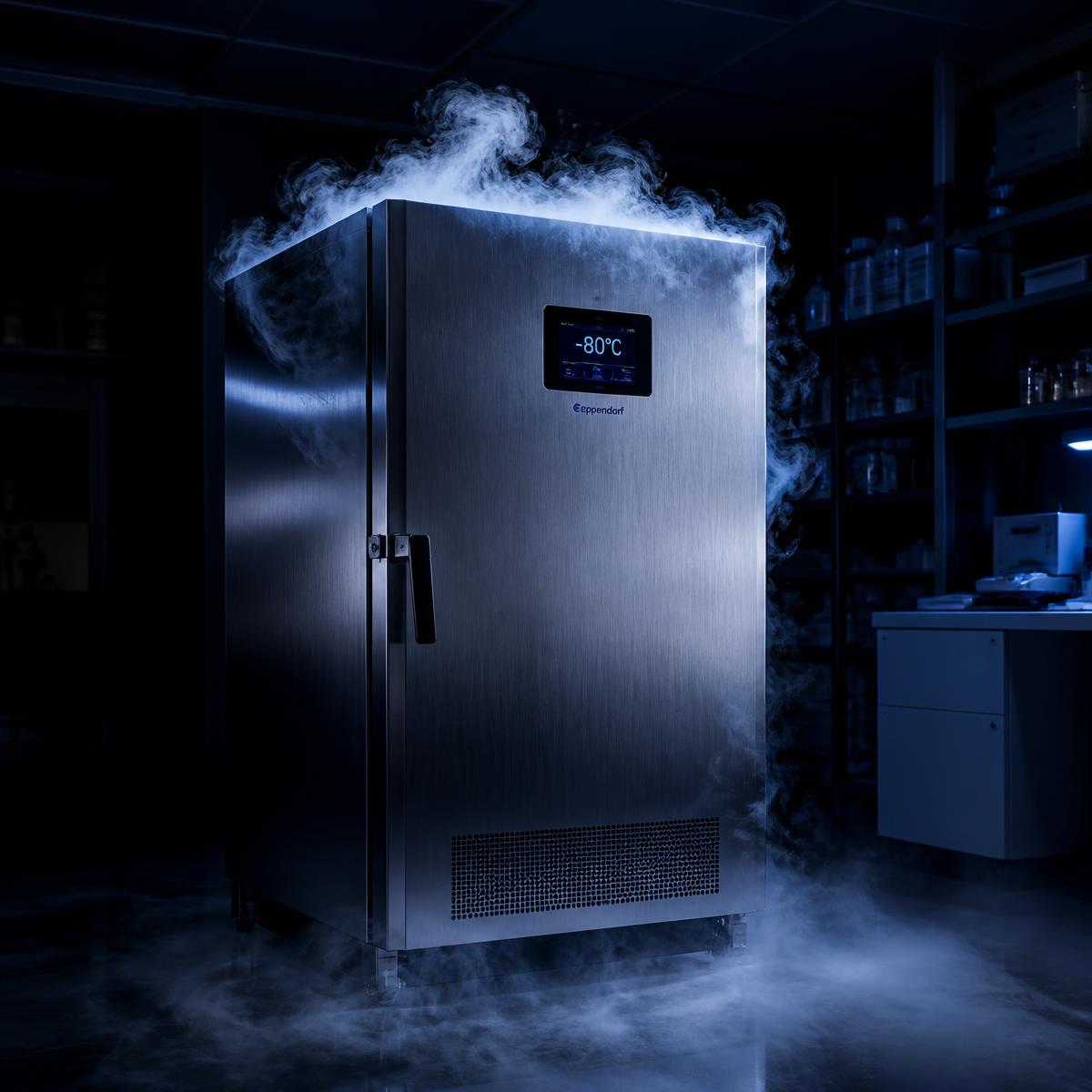
Ultra-low freezer temperature display for sample-storage monitoring

Cryogenic-range storage

−150°C equipment

Review freezer options when the material calls for conditions below conventional ULT temperatures. Confirm the required range before selecting the unit.

Long-term ULT archives

−86°C equipment

Discuss cell banks, tissue, DNA and RNA, and reference material alongside the temperature requirements and access frequency for your archive.

Working stocks and reagents

Laboratory freezers

Separate day-to-day inventory from retained material when storage conditions or retrieval patterns differ. Review the freezer range required for each stock.

Controlled refrigeration

+2°C to +8°C equipment

Laboratory and blood bank refrigerators provide another equipment tier for materials requiring controlled refrigeration rather than freezing.

Archive growth

Capacity planning

Share current volume, container dimensions, and anticipated additions so the equipment plan accounts for more than today's inventory.

Relocation or contingency needs

Future off-site capacity

Discuss temporary space around a laboratory move or a backup plan, with availability and material suitability confirmed before a reservation is finalized.

How It Works

From sample requirements to supported storage.

  1. 01

    Define the archive

    Share material types, required temperatures, inventory volume, and retrieval needs. Include the storage specifications your team follows.

  2. 02

    Review the equipment fit

    Compare configurations against your storage tiers, available room, power, and monitoring expectations.

  3. 03

    Agree the installation scope

    Confirm delivery access, installation needs, documentation, and alarm contacts for the chosen equipment.

  4. 04

    Plan ongoing support

    Review maintenance and service needs, and discuss future off-site capacity separately if the archive needs additional space.

Planning Checklist

Six decisions to settle before expanding a biorepository.

A useful archive plan connects the material requirement to the room, the equipment, and the people responsible for it. Work through these points before selecting a configuration.

  1. 01

    Define the storage requirement for each material

    Use the documented temperature requirement for each sample or stock. Avoid treating all frozen material as if it belongs at the same setpoint.

  2. 02

    Separate retained and working inventory

    Identify what needs frequent retrieval and what remains in the archive. Access patterns help shape how capacity is divided between units.

  3. 03

    Check space, power, and heat rejection

    Review floor space, electrical circuits, delivery clearance, and HVAC needs before installation. The equipment has to fit the room as well as the inventory.

  4. 04

    Specify records and alarm escalation

    Decide which records your quality team needs and who receives alerts. Confirm the monitoring and documentation scope together.

  5. 05

    Allow for archive growth

    Describe current inventory and expected additions. Discuss overflow or relocation needs before internal capacity becomes a constraint.

  6. 06

    Confirm the service and contingency plan

    Ask about site-specific support and preventive maintenance. Keep future off-site reservations distinct from equipment that can be installed for current needs.

Monitoring & Documentation

A sample archive needs a record your team can use.

Temperature history helps your team review storage conditions. Alarm escalation connects that record to a response. We discuss the monitoring options and agree the documentation scope for your equipment and workflow.

Tell us which quality or customer requirements apply before installation or a future storage reservation. We review what can be supported rather than making blanket compliance claims.

  • Time-stamped temperature history
  • Alarm notifications to named contacts
  • Monitoring and documentation scope agreed in writing
  • Installation and service records
  • Storage and access requirements reviewed in advance

Equipment Options

Configurations for biorepository temperature tiers.

These equipment families offer different footprints and storage conditions. We match the configuration to your material requirements rather than recommend one unit for every archive.

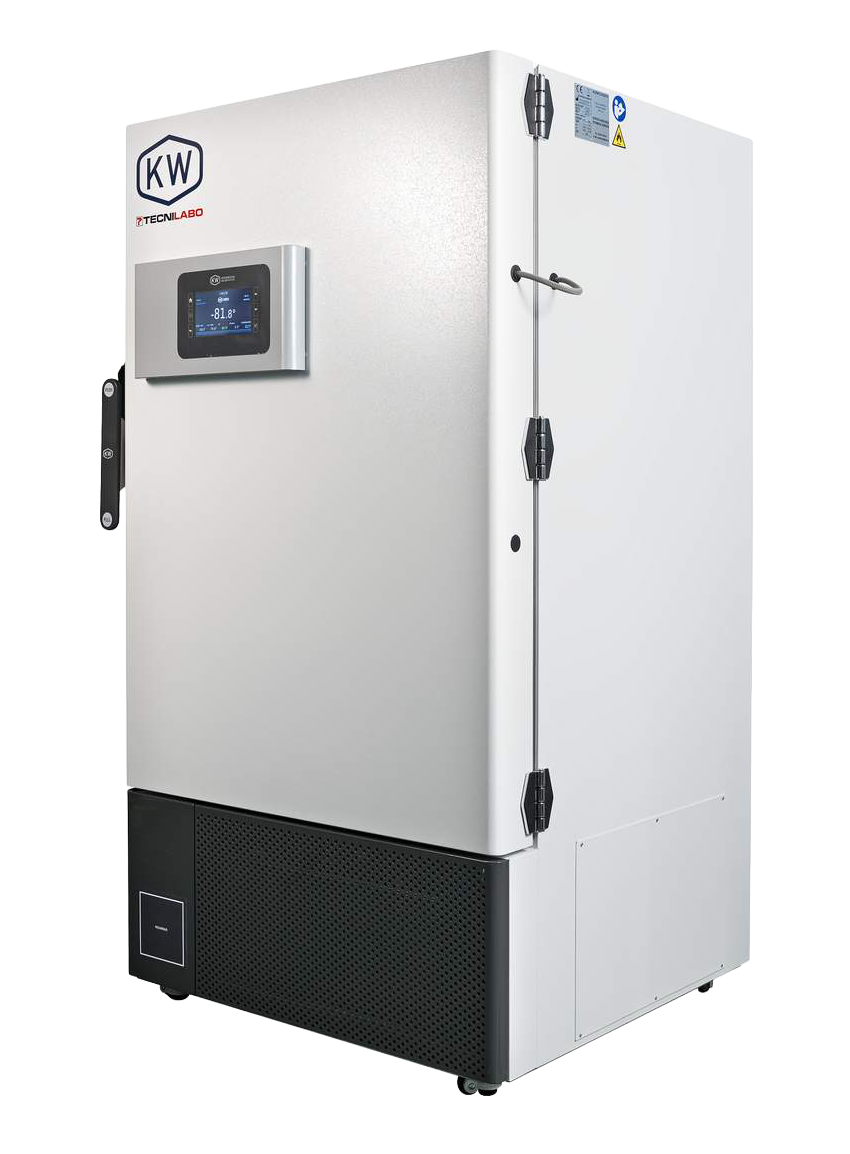
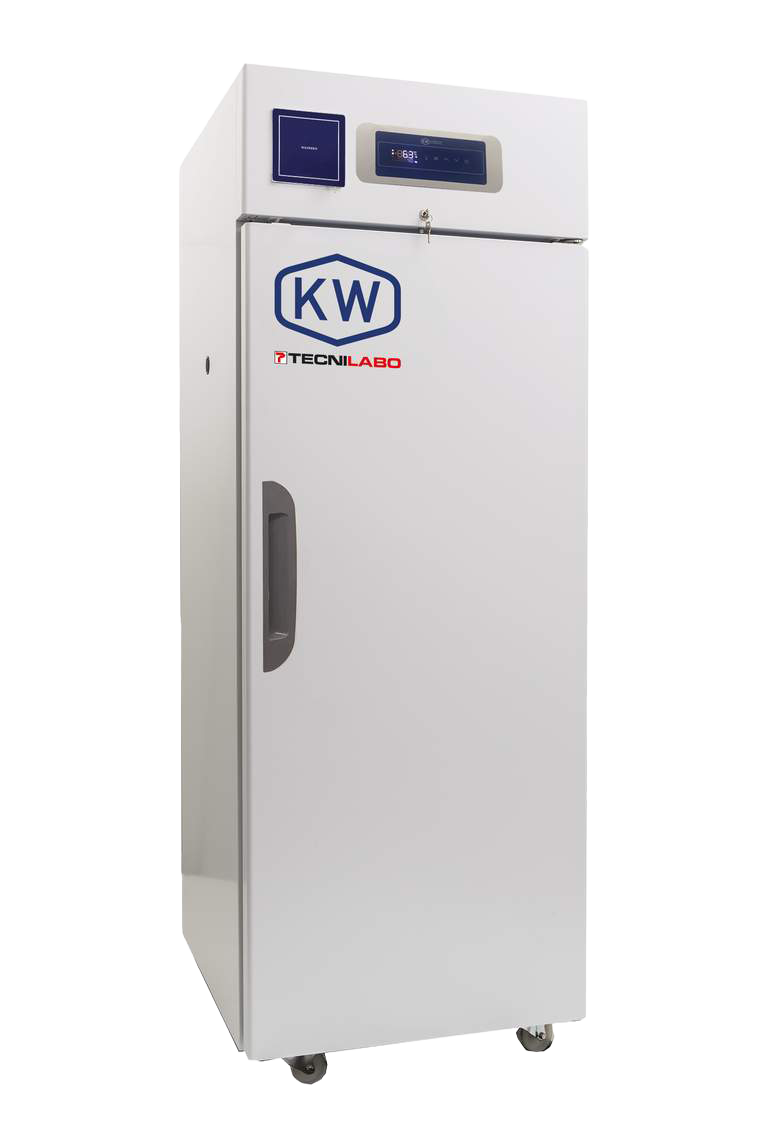
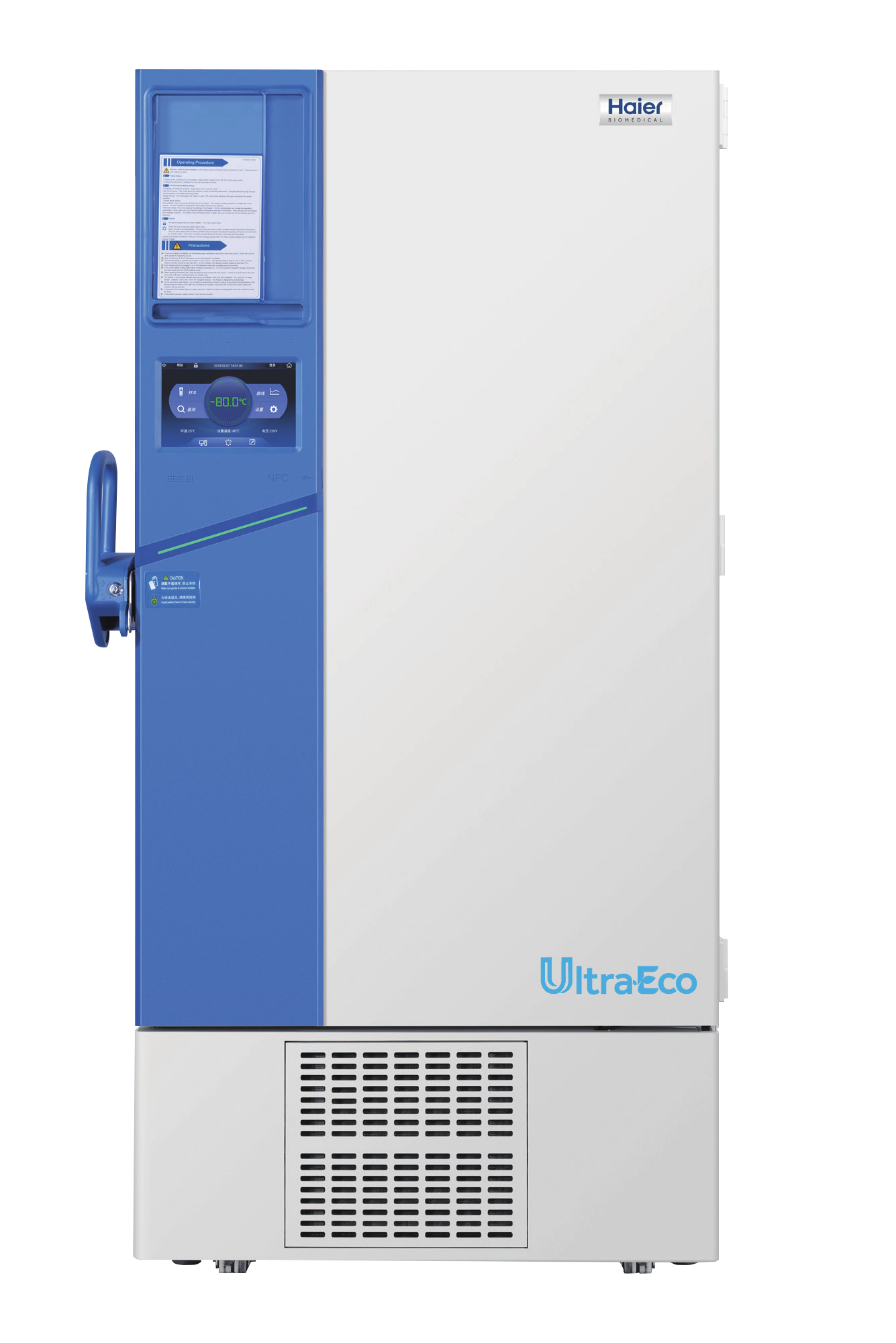
KW Ultra-Slim
Narrow-footprint ULT

KW Ultra-Slim

A narrow-footprint ULT option when available laboratory floor space constrains the installation.

View details
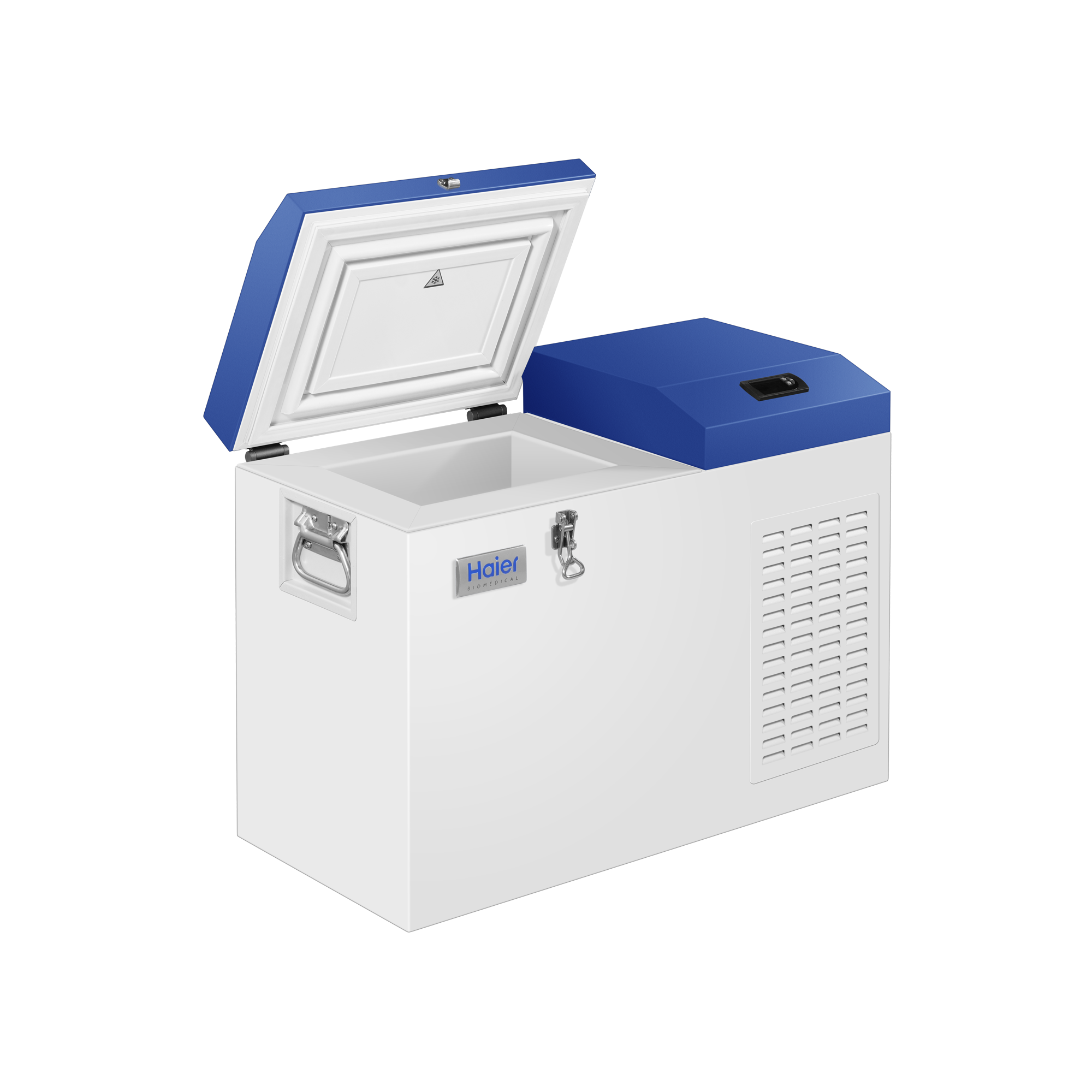
Lab Freezers
Laboratory freezing

Lab Freezers

Laboratory freezer options for working stocks with their own specified freezing requirements.

View details
Browse Equipment

Planned Orange County Capacity

Planning more room for your sample archive?

Our monitored Orange County facility is scheduled to open in October 2026, with expanded capacity planned for Spring 2027. Reservations are open now; off-site storage is not yet available. Share your archive requirements so we can review future suitability, volume, and access needs.

Read the announcement
Ultra-low temperature cold-storage equipment

Procurement Credentials

A documented supplier for your purchasing team.

Ultracold is SAM.gov registered with CAGE Code 21DA7, a California DGS Certified Small Business, and licensed under CA CSLB #1157801. Ask for the documentation your supplier onboarding requires.

California DGS Certified Small Business
SAM.gov registered
CAGE Code 21DA7
California CSLB license #1157801

Southern California Service Area

Biorepository equipment support in Southern California.

Ultracold supplies and services cold-storage equipment for biopharma, research, and healthcare teams in Southern California. Discuss your existing units or a new archive with our owner-operated team.

Our Anaheim team serves Orange, Los Angeles, San Diego, Riverside, and San Bernardino counties. Confirm site-specific technician availability and response terms with us before making your plan.

Ultracold Solutions
Freezer temperature monitoring and alarm controls

FAQ

Biorepository storage FAQ.

What is a biorepository?

A biorepository is a collection of biological material maintained for future use, such as cell banks, tissue, DNA and RNA, or retained research samples. Storage conditions are determined by the requirements of the material, not by a single universal freezer temperature.

What biorepository equipment does Ultracold supply?

We supply and service cold-storage equipment from −150°C to +8°C, including cryogenic-range freezers, ULT freezers, laboratory freezers, and laboratory and blood bank refrigerators. We review your material requirements and available space before recommending equipment.

Can you help with an existing sample archive?

Yes. Share your required temperatures, inventory, existing equipment make and model, and monitoring needs. We will confirm the equipment, service, and monitoring support we can provide.

How are monitoring and alarm response planned?

We discuss logging, alerts to named contacts, escalation, and the records your team needs. The monitoring and documentation scope is confirmed for the equipment selected.

Is off-site biorepository storage available now?

Not yet. Our monitored Orange County cold-storage facility is scheduled to open in October 2026, with expanded capacity planned for Spring 2027. Reservations are open now, and suitability for your material is reviewed during the discussion.

What should we share before requesting a configuration?

Include material types, required temperatures, volume and container dimensions, access frequency, available space, and monitoring or quality requirements. If you need future off-site space, include your target dates and expected duration.

Request a Quote

What to include in your biorepository request

Help us connect the archive's storage requirements to equipment, monitoring, and support. Include the details you already know:

  • Sample or material types
  • Required temperature for each tier
  • Inventory volume and container dimensions
  • Retrieval frequency and archive growth
  • Available space, power, and delivery access
  • Monitoring and alarm contacts
  • Documentation or quality requirements
  • Timeline and future off-site capacity needs

Share what you have, even if some details are still being worked out. We can help identify what needs to be confirmed.

Build a plan around your samples.

Tell us what your biorepository stores, the required conditions, and when you need capacity. We will review equipment, monitoring, and service options, with future off-site availability discussed separately.